
In the world of smartphones, AMOLED screens are like the dazzling stars in a night sky—bright, vibrant, and impossible to ignore. Imagine watching your favorite movie or scrolling through social media on a display that makes colors pop like confetti at a party. That’s the magic of AMOLED technology. It’s not just a screen; it’s an experience that transforms everyday tasks into visual feasts.
But wait, there’s more! These screens don’t just look good; they also save battery life, making your phone last longer than your last New Year’s resolution. With deeper blacks and stunning contrasts, AMOLED screens are the secret weapon for anyone who wants their device to stand out. Dive into the world of smartphone AMOLED screens and discover why they’re the must-have feature for tech lovers everywhere.
Overview of Smartphone AMOLED Screens
Smartphone AMOLED screens deliver vibrant and dynamic visuals that greatly enhance user experiences. These displays utilize active matrix technology, allowing individual pixels to emit light. Deep blacks and vivid colors result from this mechanism, improving overall image quality. Users browsing social media or watching movies notice a significant difference in clarity and richness.
Power consumption becomes more efficient with AMOLED screens. Pixels consume less energy when displaying darker images, directly translating into better battery performance. A user can experience longer usage times without compromise on display quality.
The technology also boasts rapid response times, making interactions seamless during gaming or scrolling. Enhanced refresh rates contribute to smooth animations that enrich user engagement. Smartphone manufacturers increasingly favor AMOLED displays for flagship devices due to these benefits.
Furthermore, screen curvature options improve viewing angles, creating an immersive experience. This characteristic allows users to enjoy consistent color and brightness from various perspectives. Many brands now integrate AMOLED technology across their product lines, signifying its widespread acceptance among tech enthusiasts.
Some challenges exist, including potential screen burn-in, where static images may leave a lasting impression. However, manufacturers are developing software solutions to mitigate this issue. Continuous advancements in AMOLED technology contribute to enhancing user satisfaction while addressing potential drawbacks.
Overall, the impact of AMOLED screens on the smartphone experience is considerable, blending aesthetic appeal with functionality to meet user demands.
Advantages of AMOLED Technology
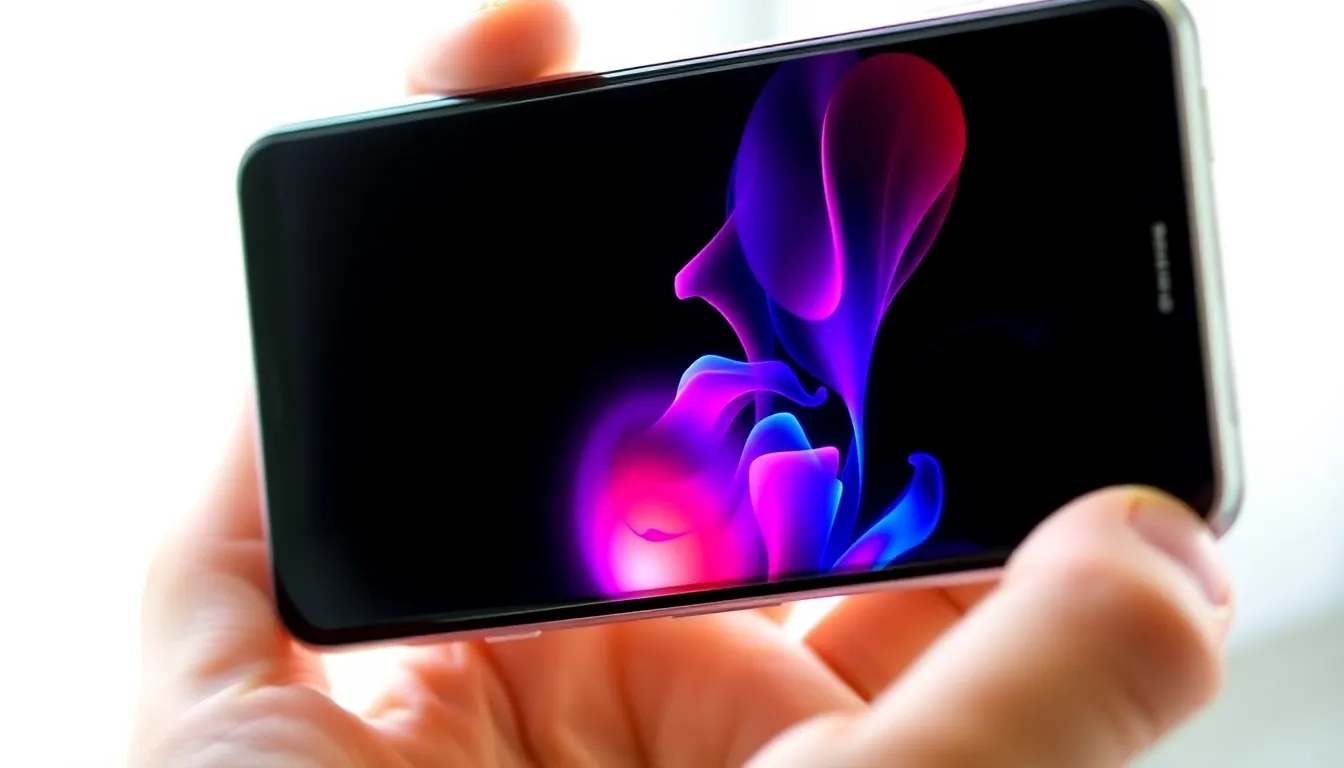
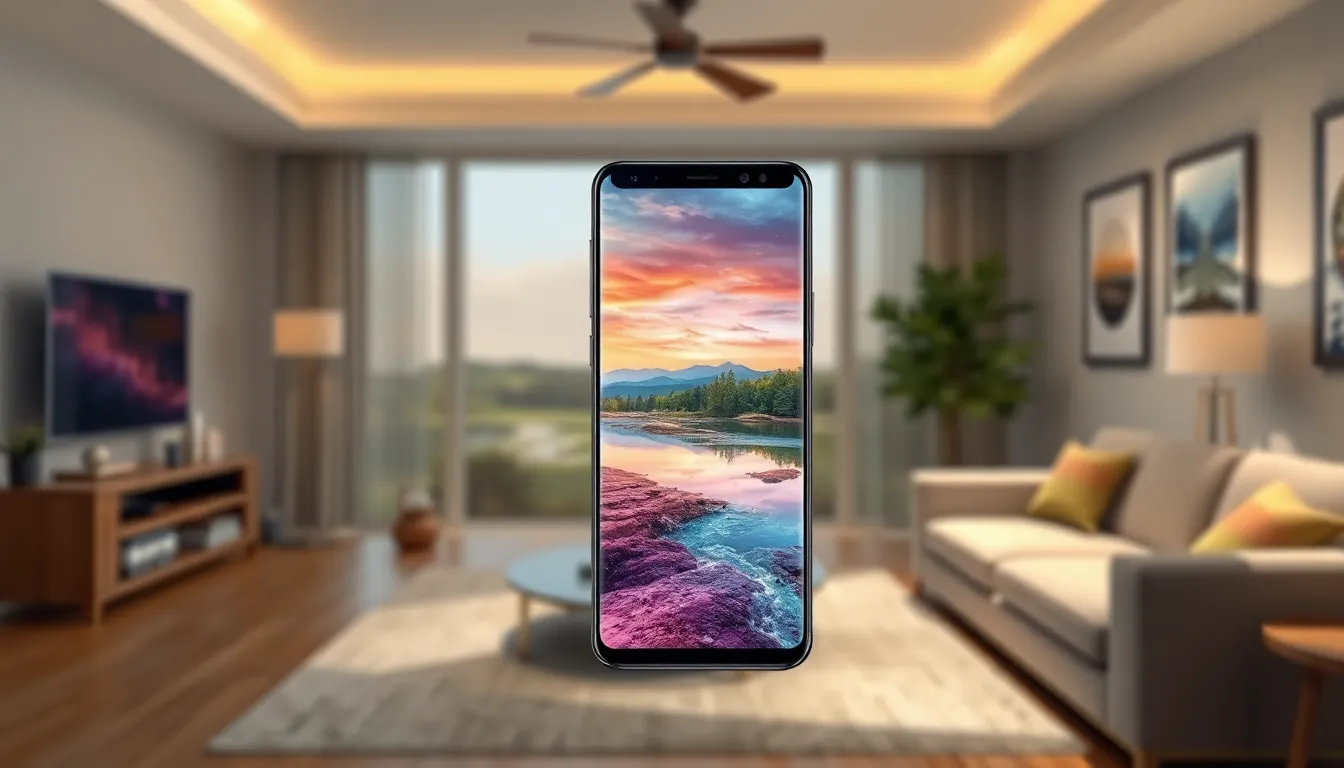
AMOLED technology offers several key benefits that enhance the overall smartphone experience.
Enhanced Color Accuracy
AMOLED screens provide superior color accuracy compared to traditional LCD displays. Rich colors stand out vividly, making images and videos appear more lifelike. Each pixel can emit its own light, which leads to more precise color reproduction. High contrast ratios mean that even subtle shades of color maintain clarity. A study by DisplayMate shows that AMOLED displays can cover over 100% of the sRGB color gamut, ensuring that the colors seen are true to life. Bright images are particularly striking, attracting users who enjoy multimedia content.
Deeper Black Levels
Deeper black levels represent another significant advantage of AMOLED technology. Each individual pixel can turn off completely, resulting in true blacks. Such performance creates a stark contrast between dark and light areas on the screen, enhancing visual depth. These rich blacks boost the viewing experience during movie playback or gaming, immersing users in their content. In situations with high dynamic range (HDR), this capability proves especially impressive. Users gain a greater appreciation for the nuances of shading, making content more engaging.
Energy Efficiency
Energy efficiency plays a crucial role in AMOLED technology’s appeal. With the ability to turn off individual pixels, these displays consume less power when showing darker scenes. Power consumption drops significantly while viewing dark content, which directly contributes to longer battery life. As a result, smartphones equipped with AMOLED screens can offer extended usability throughout the day. According to tests, users can experience battery savings of up to 50% when displaying darker themes. This efficiency makes AMOLED technology ideal for modern users who rely heavily on their devices.
Disadvantages of AMOLED Screens
Although AMOLED screens offer numerous benefits, some disadvantages exist. Users should consider factors like burn-in issues and cost considerations when evaluating their smartphone display.
Burn-In Issues
Burn-in occurs when static images remain on the screen for extended periods, causing permanent ghosting. Frequent exposure to static elements, such as app icons and navigation bars, amplifies this risk. The display may exhibit an unsightly residue, affecting visual quality over time. Manufacturers implement software solutions to mitigate this issue. However, complete prevention isn’t guaranteed, and users should avoid leaving static content displayed for long durations.
Cost Considerations
AMOLED technology generally comes at a higher price point than traditional LCD displays. This increased manufacturing cost can lead to more expensive smartphones. Users may find that devices with AMOLED screens typically belong to the premium segment. The benefits associated with AMOLED screens, such as brightness and color accuracy, often justify the price for enthusiasts, but budget-conscious consumers might opt for cheaper alternatives. Therefore, evaluating individual needs and budget constraints becomes essential when selecting a smartphone display.
Comparison with Other Display Technologies
Smartphone screens come in various technologies, each with unique strengths and weaknesses. Understanding how AMOLED compares to LCD and OLED enhances device selection.
AMOLED vs. LCD
AMOLED technology offers several advantages over traditional LCD displays. Vibrant colors and deeper blacks stand out with AMOLED, while LCD struggles to achieve true black levels due to its backlighting. Energy efficiency is another significant factor; AMOLED consumes less power when displaying darker images, resulting in longer battery life. In contrast, LCD remains less efficient, especially with bright content. Moreover, response times on AMOLED screens are faster, making interactions feel more fluid during gaming and scrolling. Users seeking superior visual experiences often prefer AMOLED due to its stunning contrast ratios and vivid color enhancements.
AMOLED vs. OLED
Understanding the similarities and differences between AMOLED and OLED provides further insight into display technology. Both technologies utilize individual pixels that emit light directly, resulting in excellent color reproduction and deep blacks. AMOLED incorporates an active matrix, enhancing refresh rates and responsiveness, which can benefit users during fast-paced activities. This active matrix allows for more control over individual pixels, improving overall performance. On the other hand, OLED displays serve a broader market, often found in televisions and other devices. While both offer exceptional visual quality, AMOLED screens frequently appeal to smartphone users who prioritize battery life and responsiveness.
Future Trends in AMOLED Technology
Research is driving advancements in AMOLED technology, particularly in areas like brightness and color accuracy. Innovations like microLED and miniLED are gaining traction, promising improved efficiency and even better display performance. Manufacturers focus on enhancing durability to mitigate burn-in issues, developing coatings and technologies aimed at preventing permanent damage from static images.
Flexible and foldable AMOLED screens are becoming more prevalent in smartphones. These designs open new possibilities for form factors, allowing for larger displays without increasing device size. Companies are also emphasizing the importance of sustainability, working on eco-friendly manufacturing methods for AMOLED panels.
Integration with emerging technologies remains a priority. Augmented reality (AR) applications require high-resolution displays, leading companies to create AMOLED screens that deliver exceptional clarity in real-time, immersive environments. Furthermore, advancements in AI are optimizing display performance by adjusting settings based on usage patterns.
Battery life is crucial for smartphone users. AMOLED technology continues to evolve to ensure that these screens consume even less power during daily use. Progress in wireless charging also complements AMOLED innovations, resulting in seamless user experiences.
Significant developments in refresh rates enhance gaming and viewing experiences as well. Higher refresh rates improve responsiveness, appealing to gamers and action movie enthusiasts. As AMOLED screens continue to advance, smartphone manufacturers will likely prioritize this technology to meet user demands for vibrant visual experiences and superior performance.
Smartphone AMOLED screens represent a significant leap in display technology. Their ability to deliver vibrant colors and deep blacks enhances the overall user experience, making them ideal for everything from streaming to gaming. The energy efficiency of these displays not only prolongs battery life but also aligns with the needs of modern users who prioritize performance.
As manufacturers continue to innovate, the future of AMOLED technology looks promising. With advancements in durability and integration with emerging technologies, these screens are set to redefine how users interact with their devices. For tech enthusiasts and casual users alike, AMOLED screens offer a compelling reason to choose premium smartphones that elevate their everyday experiences.